If you’ve never stood next to a Dirt Late Model when it fires up, it’s hard to explain how violent and awesome it feels. The ground literally shakes. The engine sounds like it’s trying to rip the air apart, and then the car slides into the corner like it’s doing something it’s not supposed to be able to do. That’s Dirt Late Model racing in a nutshell: high-powered, purpose-built race cars built to go fast on dirt ovals, and a whole world of people who are obsessed with making a car turn left while it’s sideways.
What a Dirt Late Model actually is
A Dirt Late Model isn’t a “stock car” in the normal sense. Yeah, the name Late Model came from the early days when people were racing cars that were (for the time) newer models. But today, a Dirt Late Model is basically a professional race car that only pretends to be a regular car from far away. It’s got a specialized, angular body—usually fiberglass or aluminum panels—designed to take hits, shed mud, and make downforce at speed. The bodies are wide, aggressive, and shaped like they were drawn with a ruler and a knife.
And the power is ridiculous. The top class cars—often called Super Late Models—can run V8 engines that push 800+ horsepower. That’s supercar power, except instead of being on a clean track with perfect grip, it’s on dirt where the surface changes every lap.
Most dirt ovals are about a quarter-mile to a half-mile. That doesn’t sound big until you watch a field of these things charging into the corner. On dirt, speed isn’t just about raw horsepower—it’s about balance, traction, and controlling a slide without scrubbing off too much momentum.
The classes: Super, Limited, and Crate
When people say “Dirt Late Models,” they might mean a few different classes. The big one is Super Late Models—the wild, expensive, high-horsepower class that gets the headlines. Then you’ve got Limited Late Models, which usually have less horsepower and tighter rules to keep costs down. And there are Crate Late Models, which use sealed “crate” engines—factory-built motors that are limited in power (often in the 400–500 horsepower range depending on rules).
The reason these classes exist is simple: racing is expensive, and rules are how you try to keep it from turning into “who has the biggest budget wins every weekend.” Crate racing, especially, is about making it more affordable and keeping the competition closer.
Where “Late Model” came from (and why it doesn’t mean much anymore)
The history part is actually cool because it explains why the name stuck. After World War II, the car industry started cranking out new vehicles again, and all these older pre-war coupes and sedans were sitting around. People started modifying them—“souping up” engines, stripping unnecessary stuff, and racing them on oval tracks that were sometimes converted horse tracks or freshly carved out of fields.
Back then, organizations like NASCAR stepped in and started standardizing rules to keep things fair. Early rules were stricter about the car being “stock”—full fenders, running boards, certain dimensions staying original, that kind of thing—even though everyone still found ways to push the limits. Over time, as cars evolved and racing got more serious, NASCAR and other groups adjusted classes and definitions. Eventually the sport shifted toward “Late Models,” which at one point referred to newer production years.
But here’s the funny part: for basically the last half-century, “Late Model” has barely had anything to do with the model year. It became a type of race car more than a literal description. Today, when you see a Late Model, you’re seeing a purpose-built machine made for short track racing.
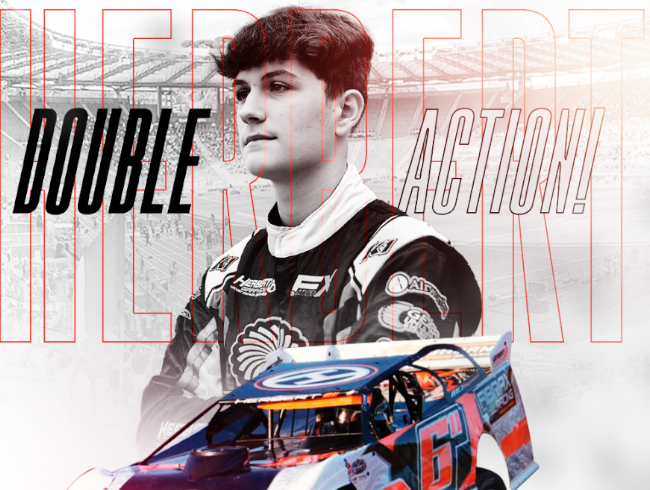
Dirt vs asphalt: same name, totally different vibe
Late Models exist on asphalt too, and the cars might share the same general “family,” but dirt cars are a different beast. Dirt racing rewards adjustability and the ability to handle changing track conditions—because dirt tracks can go from tacky and hooked-up to slick and shiny depending on weather, moisture, and how many laps have been run.
Asphalt Late Models often lean more into aerodynamic efficiency and consistent grip. Dirt Late Models, on the other hand, are built for controlled chaos. Dirt cars throw dirt, take hits, run close, and constantly hunt for traction where it barely exists.
The body: not just for looks
Dirt Late Model bodies are made to look kind of like production cars, but they’re shaped for racing. Fiberglass got popular because it’s lighter than steel and easier to replace after you get rubbed in the wall (which is… not rare). Aluminum became popular too because it’s affordable and racers can shape it faster.
What’s interesting is that once racers realized they could basically build their own bodies, things got extreme. People pushed the shapes and dimensions until promoters and groups started standardizing rules—because if you don’t, the sport turns into an aero arms race, where the “best body” matters more than the driver. Standard dimensions and approved nose designs became a way to keep things from getting totally out of control.
Chassis and suspension: the real magic
If the engine is the muscle, the chassis and suspension are the brain. Dirt Late Model chassis are typically custom-built within standardized dimensions. And the amount of adjustability is insane compared to most cars.
On dirt, teams constantly tweak setup:
- Weight placement (because where the weight sits changes how the car rotates)
- Rear steer (how the rear end “points” under load)
- Springs (all four corners, plus systems like lift arms or pull bars depending on the car/rules)
- Mounting positions (small changes can make the car bite harder or slide freer)
- J-bar height/angle (controls lateral movement and how the car plants the rear)
- Stagger (different tire sizes side-to-side to help it turn)
- Tire compound and tread (because dirt traction is everything)
The coolest part is how dirt racing is basically a live science experiment. The track changes, so the “right setup” can change from hot laps to the feature. It’s not just “drive fast.” It’s “find the grip, manage the slide, and don’t burn the tires off.”
Engines: from wild open motors to cost-controlled crates
Depending on sanctioning rules, engines can range from sealed crate motors to fully open V8 builds with huge power. Open motors can be well over 600 horsepower and can climb into the 800+ range in the top dirt classes. Crate engines are designed to cap costs and keep the field tight—because once engine building becomes unlimited, money starts deciding races.
A lot of series use common sealed engine options (like certain GM crate packages), while others allow more freedom. The result is a ladder: if you want to go big-time, you usually aim at the high-horsepower Super Late Model world. If you want to race with a smaller budget, Limited and Crate classes keep it more realistic.
Why people love it (and why it matters)
Dirt Late Model racing is popular for a reason. It’s loud, dramatic, and close. You see cars inches apart, throwing dirt, swapping lines, and sliding into corners like they’re daring physics to argue with them. The drivers have to be aggressive but smart, because one mistake can put you in the wall or send you backwards in the pack.
And it’s also a legit steppingstone. Lots of drivers who end up in bigger touring series learned racecraft in Late Models. Even if someone never leaves dirt racing, the skills are real: throttle control, car control, reading track conditions, working with a team, understanding setup changes—those are high-level racing skills.
My honest take as an 19-year-old watching it
I’m not going to pretend I’ve got decades of experience, but I’ll say this: Dirt Late Models are the kind of racing that makes you want to learn everything. You start watching for the speed, but you stay because you realize it’s not just speed. It’s strategy, setup, and this weird mix of mechanical engineering and pure guts.
It Ain’t Easy
It’s one of the few sports where you can literally see the environment change and watch the competitors adapt in real time. One night the bottom might be the place to be, the next night it’s slick and the top becomes a high-risk, high-reward line. And the best drivers look like they’re on rails even when the car is sideways.
So yeah—Dirt Late Model racing is loud and fast and messy. But it’s also one of the most technical, competitive, and addicting types of racing out there. If you ever get the chance to go to a local dirt track and watch a Late Model feature… do it. You’ll understand immediately.
If you want, tell me where you’re publishing this (blog, school assignment, YouTube script, etc.) and roughly how long you want it, and I’ll tailor the tone and length even more (more hype, more technical, or more history-heavy).
Dirt Late Model racing is one of the most exciting and competitive forms of short-track motorsports in the United States. It features powerful, purpose-built race cars competing on oval dirt tracks, often sliding through corners at high speeds in controlled drifts. Known for its intensity, close racing, and passionate fan base, Dirt Late Model racing is a major part of grassroots and professional racing culture.
What Is a Dirt Late Model from my perspective?
A Dirt Late Model is a custom-built race car designed specifically for dirt track competition. Despite the name “late model,” these cars are not based on current production street cars. Instead, they are highly specialized machines built for speed and performance.
Key features include:
- Full tube chassis (not factory frames)
- Fiberglass or composite bodies designed for aerodynamics
- Large rear spoilers to increase downforce
- Wide tires built for dirt surfaces
- High-horsepower V8 engines, often producing 700–900+ horsepower
- These cars are designed to race sideways. Drivers use throttle control and steering input to “pitch” the car into corners, maintaining speed while sliding through turns on loose dirt.
How Dirt Track Racing Works
Races take place on oval tracks typically ranging from 1/4-mile to 1/2-mile in length. The surface is made of clay or dirt, which changes throughout the night as races progress.
Drivers must constantly adapt because:
The track surface dries out and becomes slick. Ruts and grooves form. Racing lines change over time. This creates a dynamic and unpredictable racing environment, making driver skill extremely important.
Major Dirt Late Model Series
While many racers compete locally and regionally, there are also national and regional touring series that attract top talent and large crowds.
Some of the most prominent series include:
World of Outlaws Late Model Series – One of the premier national tours featuring elite drivers.
Lucas Oil Late Model Dirt Series – A highly competitive national series with major events and large purses.
Crate Racin’ USA – A leading crate late model and dirt racing organization primarily based in the Southeast.
Hunt the Front Super Dirt Series – A fast-growing touring series known for competitive fields and strong fan engagement.
These tours travel across the country competing at respected dirt tracks and crown champions each season.
The Culture of Dirt Late Model Racing
Dirt Late Model racing has deep roots in American short-track racing. It blends grassroots passion with professional-level competition. Many drivers come from racing families, and local tracks serve as community gathering places on weekends.
The sport continues to grow through streaming platforms, social media, and expanding national tours, bringing dirt racing to a wider audience than ever before.